Three EMS-Linked Accident Intelligence Program Levels for Personal Injury Firms
July 15, 2026 by Mohr Marketing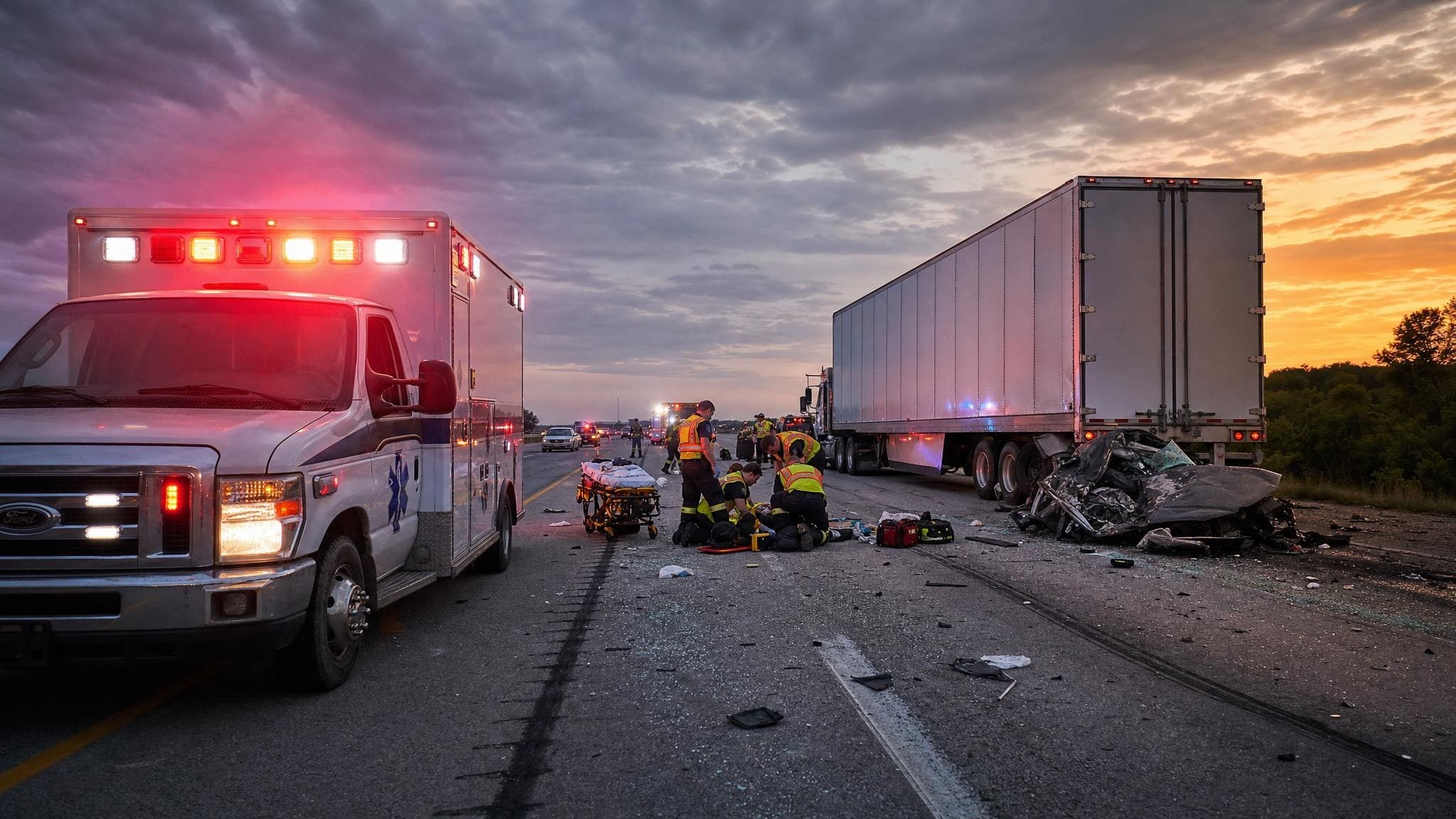
Three EMS-Linked Accident Intelligence Program Levels for Personal Injury Firms
Why a Tiered Structure Matters
Personal injury firms do not all pursue the same case mix. Some want a steady pipeline of serious injury motor vehicle cases. Others are focused on catastrophic files, commercial collisions, or high-value matters capable of materially changing the economics of the practice. A one-size-fits-all accident marketing model does not serve those different goals very well.
That is why a tiered EMS-linked accident intelligence structure makes sense. Instead of grouping every crash opportunity into a single bucket, the program separates opportunities by injury seriousness, transport status, vehicle type, and commercial exposure. This allows firms to invest more deliberately, align campaigns with their actual litigation strategy, and avoid wasting resources on matters that do not fit the firm’s desired profile.
A tiered structure also improves internal decision-making. When attorneys and intake teams know exactly what type of matter a campaign is built to produce, they can evaluate incoming opportunities against clearer expectations. This creates stronger accountability around budgeting, staffing, follow-up, and conversion.
Level One: EMS Serious Injury Opportunities
The first program level focuses on serious injury, non-commercial accident events. These opportunities typically involve accidents where emergency services responded, the claimant was transported to a hospital or emergency facility, injury was reported, and available documentation supports a meaningful bodily injury claim. This level is often the right fit for firms that want strong MVA volume while still maintaining quality thresholds.
For many firms, this is the most practical place to begin. It captures a broad enough range of cases to support steady growth, but it still uses filters that help avoid the weakest accident activity. Hospital transport, emergency response, and available report documentation create a more disciplined intake stream than broad-market crash feeds.
This level works especially well for firms with solid intake systems, active litigation teams, and a desire to expand serious injury representation across passenger vehicle accidents, motorcycle cases, pedestrian incidents, and other non-commercial collisions.
Level Two: EMS Catastrophic Injury Opportunities
The second level is designed for firms looking for more severe injury matters. Catastrophic injury opportunities can include cases involving spinal cord injury, traumatic brain injury, multiple fractures, amputation, severe burns, organ damage, permanent disability, or fatal outcomes related to the crash event. These matters often involve direct hospital transport from the scene and a much higher degree of damages exposure.
This level is not about creating more volume. It is about isolating the matters that may justify higher acquisition costs because of their potential long-term value. Catastrophic files can materially affect a firm’s docket, staffing needs, litigation strategy, and revenue trajectory. Because of that, many firms prefer to evaluate these opportunities separately rather than blend them into a general serious injury campaign.
From a marketing standpoint, catastrophic matters also benefit from stronger documentation and cleaner screening criteria. The more significant the case, the more important it becomes to understand early liability signals, treatment severity, insurance considerations, and overall fit for the firm’s litigation model.
Level Three: EMS Commercial and Catastrophic Commercial Opportunities
The third level focuses on accidents involving commercial vehicles and commercial insurance exposure. This category is especially attractive to firms that actively pursue trucking, fleet, delivery, rideshare-for-hire, and other commercial transportation cases. Because commercial files often involve larger policies, more complex liability, and higher litigation value, they require a more selective acquisition strategy.
At the serious injury commercial level, the goal is to identify commercial vehicle accidents where emergency services responded, the claimant was transported to the hospital, bodily injury exists, and available documentation supports meaningful attorney review. These are not generic truck accident lists. They are filtered opportunities built around seriousness, transport, and commercial exposure.
At the catastrophic commercial level, the criteria become narrower and more valuable. These matters may involve severe trauma, permanent impairment, death, major impact events, or other indicators that the case belongs in a top-tier litigation review process. For firms competing at the highest end of the truck and commercial collision space, this level can be the most attractive part of the EMS program.
Better Budget Allocation and Case-Mix Control
One of the biggest benefits of the three-level structure is the ability to allocate budget based on what the firm actually wants more of. If the firm needs more quality MVA volume, level one may be the right choice. If the goal is fewer but larger matters, level two or level three may make more sense.
This is especially important for firms that are trying to shift their case mix over time. A practice that began with general personal injury may now want to move toward catastrophic injury and commercial litigation. A tiered EMS model helps make that transition more intentional by allowing leadership to invest in the categories that best support future growth.
A Better Alternative to Undifferentiated Accident Marketing
Too many accident marketing programs treat every event like interchangeable inventory. That approach may create activity, but it does not always create a better practice. The three-level EMS-linked structure is different because it recognizes that case value, severity, and strategic importance vary widely.
By separating serious injury, catastrophic injury, and commercial/catastrophic commercial opportunities into defined levels, firms gain more control over what they buy, what they review, and what they build. That level of precision can make a major difference in acquisition efficiency and long-term profitability.
You can see in detail how our EMS-linked accident intelligence works, request a proposal, or book a short strategy call to talk through it.
- Learn more: EMS-linked accident intelligence for law firms
- Request a proposal: Request an EMS-linked intake proposal
- Schedule a call: Book a 20-minute EMS intake strategy call

Recent Posts
- Mass Tort Digital Marketing Agency
- Personal Injury Signed Retainers: The Strategic Guide to Scalable Case Acquisition in 2026
- Motor Vehicle Accident Leads: A 2026 Guide to High-Intent Case Acquisition
Categories
- AI and Lead Generation
- Business Financing
- Call Verified MVA Leads
- Car Accident Help
- Car Accident Settlements
- Claimant Funding
- Compliance Program
- EMS-EMT Reports
- Geotargeting
- Google Maps Ranking
- Healthcare Practice Growth
- Law Firm Growth
- Law Office Operations
- Lead Generation
- Lead Generation For Attorneys
- Lead Generation For Chiropractors
- Lead Generation For Criminal Attorneys
- Lead Generation For D&A Treatment Centers
- Lead Generation For DUI Attorneys
- Lead Generation For Eye Doctors
- Lead Generation For Family Law Practices
- Lead Generation For PI Law Firms
- Lead Generation For Plastic Surgeons
- Leads For Healthcare Professionals
- Leads For Insurance Industry
- Legal Leads
- Legal Marketing
- Legal Updates
- Mass Tort Leads
- Medicare and Medicaid Leads
- Merchant Funding Leads
- Online Marketing Strategies
- Pre-Settlement Funding
- Signed MVA Cases
- Tort Updates
- Truck Accident Leads and Signed Cases
- Truck Accident Settlements
- Web Design